The Six Pillars of Faith in Islam Explained
Learn about the six pillars of faith in Islam and understand how belief in Allah, angels, revealed books, messengers, the Last Day, and divine decree shapes a Muslim’s faith and daily life.
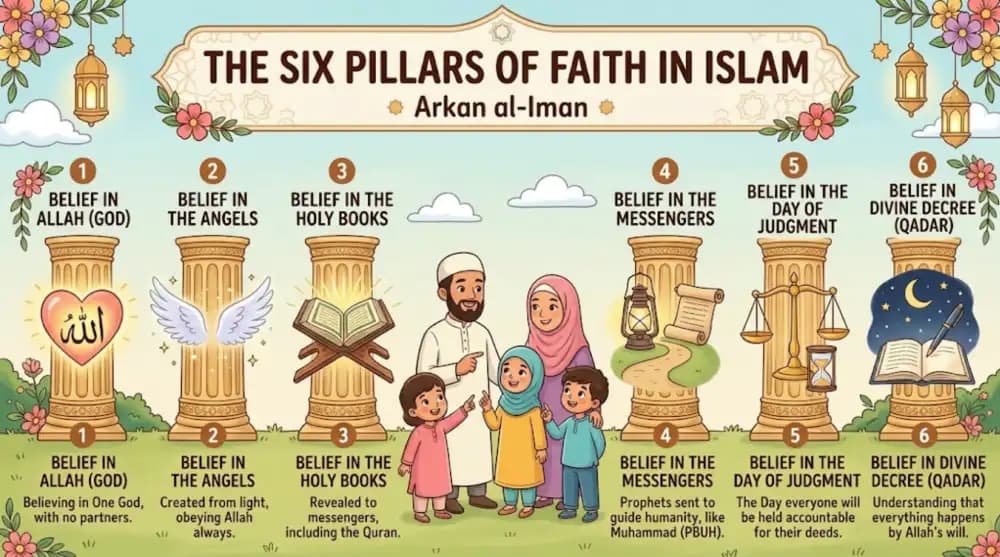
The six pillars of faith in Islam are the foundation of a Muslim’s belief. They explain what Muslims believe about Allah, the unseen world, divine revelation, the prophets, life after death, and Allah’s decree. Understanding these essential beliefs helps Muslims strengthen their relationship with Allah and gain a deeper understanding of Islam. In this beginner-friendly guide, we explore each pillar and explain its meaning and importance in everyday life.
1. Belief in Allah
Belief in Allah is the first and most important pillar of faith in Islam. Muslims believe that Allah is the one true God, the Creator and Sustainer of everything. He has no partner, and nothing is comparable to Him. Therefore, Muslims worship Allah alone and seek His guidance, mercy, and help.
This belief also means recognizing Allah’s perfect knowledge, wisdom, power, and mercy. It encourages Muslims to trust Him, express gratitude for His blessings, and turn to Him during difficult times. By understanding the oneness of Allah, Muslims build the foundation of their faith and learn the purpose of worship.
2. Belief in the Angels
The second pillar of faith is belief in the angels. Muslims believe that angels are creations of Allah who obey His commands and carry out the duties He assigns to them. Although people cannot normally see them, their existence is established through Islamic revelation.
Among the angels, Jibril (Gabriel) is especially important because he delivered Allah’s revelation to the prophets. Other angels have different responsibilities, including recording human deeds by Allah’s command. Belief in angels reminds Muslims that the unseen world is part of Islamic faith and encourages them to act with sincerity, responsibility, and awareness of their actions.
3. Belief in the Revealed Books
Belief in the revealed books means accepting that Allah sent guidance to humanity through scriptures revealed to His messengers. These revelations taught people about their Creator, righteous conduct, and the purpose of life. Muslims believe in the original revelations given to earlier prophets, including the Torah given to Musa (Moses), the Gospel given to Isa (Jesus), and the Psalms given to Dawud (David).
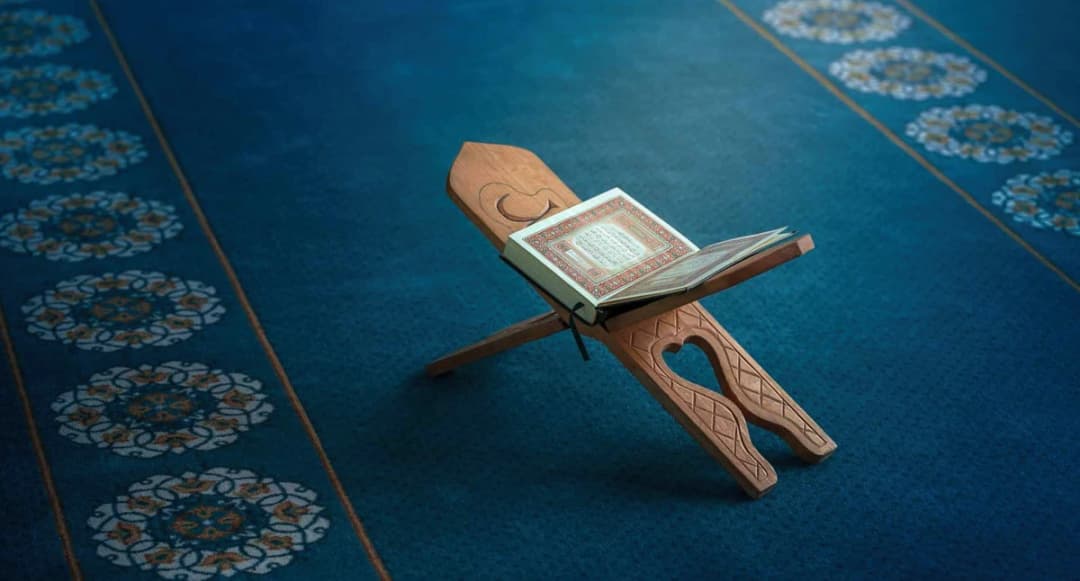
The Quran is the final revelation, sent to Prophet Muhammad (peace be upon him). Muslims believe that Allah has preserved the Quran and that it remains the primary source of Islamic guidance. Studying the Quran helps Muslims understand their faith, develop good character, and apply Allah’s guidance to their daily lives.
4. Belief in the Messengers
The fourth pillar of faith is belief in Allah’s messengers. Muslims believe that Allah chose prophets and messengers to guide people toward worshipping Him alone and living according to His commands. These messengers include Adam, Nuh (Noah), Ibrahim (Abraham), Musa (Moses), Isa (Jesus), and many others mentioned in Islamic sources.
Muslims respect all of Allah’s prophets and believe that Prophet Muhammad (peace be upon him) is the final prophet and messenger. Learning about their lives provides valuable lessons in patience, honesty, courage, and trust in Allah. Their examples also help Muslims understand how to practice their faith and respond to life’s challenges.
5. Belief in the Last Day
Belief in the Last Day means believing that life on Earth is not the end of human existence. Muslims believe that Allah will resurrect humanity, judge people according to His perfect justice, and hold everyone accountable for their deeds. The Last Day includes events such as resurrection, judgment, and the final destination of Paradise or Hell.
This belief gives meaning to human actions and encourages Muslims to live responsibly. Knowing that every person will answer to Allah inspires honesty, kindness, charity, and repentance. It also offers hope to those who experience injustice or hardship, reminding them that Allah’s ultimate judgment is perfectly just.
6. Belief in Divine Decree (Qadar)
The sixth pillar of faith is belief in divine decree, known in Arabic as Qadar. Muslims believe that Allah has complete knowledge of everything and that nothing happens outside His knowledge and will. His wisdom encompasses what people understand and what remains beyond their understanding.
Belief in Qadar also involves recognizing that human beings make choices and are responsible for their actions. Muslims are encouraged to work toward what is good, make sincere efforts, and trust Allah with the results. This balance between personal responsibility and reliance on Allah helps believers develop patience during hardship, gratitude during times of ease, and hope when facing uncertainty.
Why Are the Six Pillars of Faith Important?
The six pillars of faith provide Muslims with a clear foundation for understanding their religion. They explain the essential beliefs that guide worship, shape moral decisions, and influence how believers understand life and death. Each pillar contributes to a broader understanding of the relationship between Allah and humanity.
Furthermore, these beliefs encourage Muslims to develop good character and live with purpose. Belief in Allah inspires sincere worship, belief in the Last Day encourages accountability, and belief in divine decree teaches patience and trust. By learning and reflecting on these pillars, Muslims can strengthen their faith and better understand the teachings of Islam.
Understanding the Six Pillars of Faith in Islam
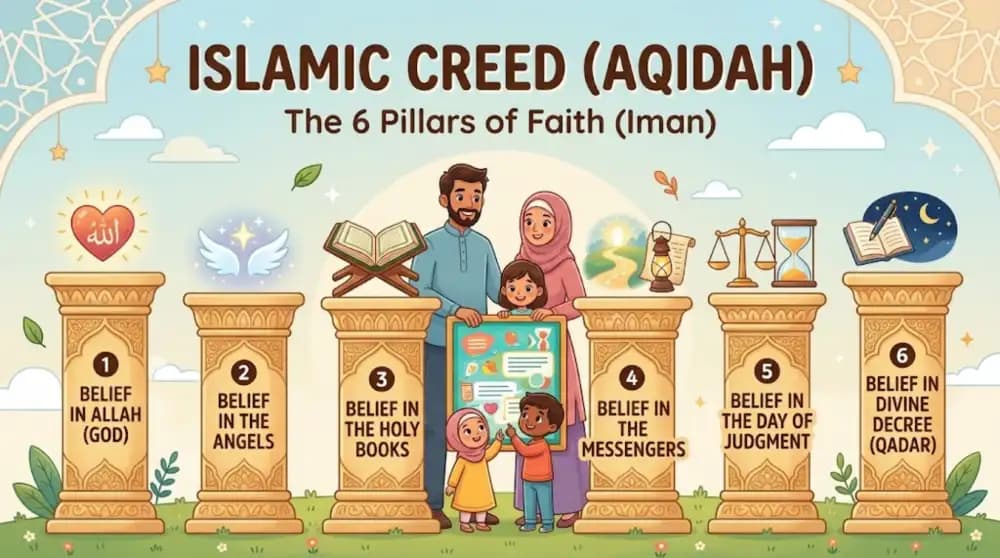
The six pillars of faith in Islam are belief in Allah, His angels, His revealed books, His messengers, the Last Day, and divine decree. Together, they form the foundation of Islamic creed (Aqidah) and help Muslims understand the essential principles of their religion.
For beginners, learning these pillars is an important step toward building a stronger understanding of Islam. By studying the Quran, learning authentic teachings of Prophet Muhammad (peace be upon him), and reflecting on these beliefs, Muslims can strengthen their faith and apply its lessons to everyday life.