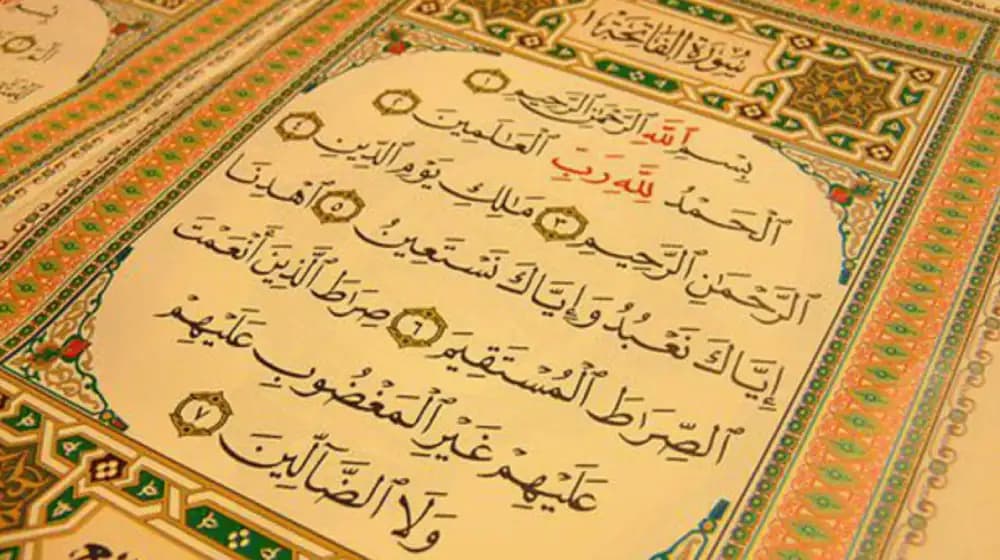
Warsh Quran Recitation: Origins, Rules, and Tradition
What Is Warsh Quran Recitation? Warsh Quran recitation is one of the authentic ways of reciting the Holy Quran. It is known as Warsh ‘an Nafi‘ because Imam Warsh learned this reading from Imam Nafi‘ al-Madani. Today, many Muslims continue to learn and practice this tradition. It follows specific rules of pronunciation and Tajweed, which […]
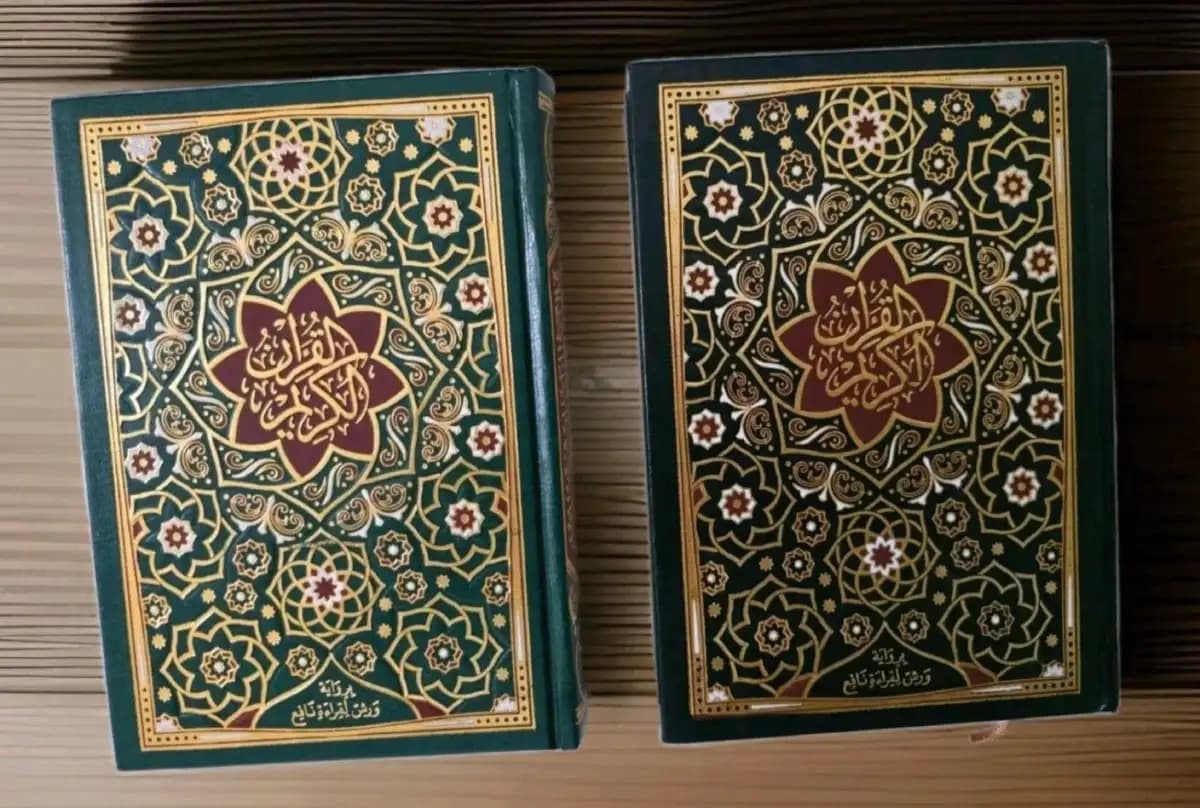
What Is Warsh Quran Recitation?
Warsh Quran recitation is one of the authentic ways of reciting the Holy Quran. It is known as Warsh ‘an Nafi‘ because Imam Warsh learned this reading from Imam Nafi‘ al-Madani. Today, many Muslims continue to learn and practice this tradition. It follows specific rules of pronunciation and Tajweed, which help readers recite the Quran correctly.
The Origins of the Warsh Reading
The Warsh reading traces its roots to the Islamic scholarly tradition of Medina. Imam Warsh, whose name was Uthman ibn Sa‘id, helped pass this reading on to future generations. Over time, the Warsh tradition spread across North Africa and beyond. As a result, it became an important part of Quranic learning in many Muslim communities.
Distinctive Rules of Warsh Recitation
Warsh Quran recitation has several features that distinguish it from the Hafs ‘an Asim reading. For example, the two traditions differ in some rules of elongation (madd), hamza pronunciation, and vowel sounds. Therefore, learners should study these rules with a qualified Quran teacher. With regular practice, they can improve their pronunciation and develop a more accurate recitation.
The Importance of Warsh in North Africa
Warsh Quran recitation plays an important role in North Africa, especially in Morocco, Algeria, and Tunisia. Many mosques and Quranic schools across these countries teach this reading. Moreover, families and teachers pass its rules from one generation to the next. By learning Warsh, Muslims can preserve this rich Quranic heritage while improving their recitation. Whether you are a beginner or an experienced reader, listening to skilled reciters and studying Tajweed can help you strengthen your connection with the Holy Quran.