Surah Al-Fatiha: How to Recite the Opening Chapter of the Quran
Learn how to recite Surah Al-Fatiha correctly, understand its meaning, explore its spiritual benefits, and discover practical tips to improve your Quran recitation and strengthen your connection with Allah.
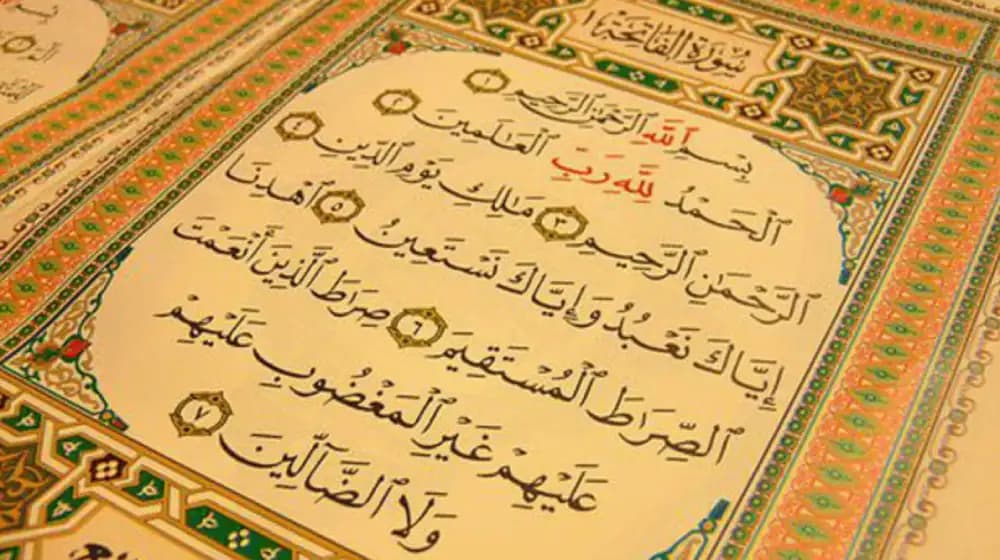
Surah Al-Fatiha is the opening chapter of the Holy Quran and one of the most frequently recited chapters in a Muslim’s daily life. Known as The Opening, it contains seven verses that praise Allah, affirm His mercy, and express the believer’s need for His guidance. Muslims recite it in every unit of their daily prayers, making its words an essential part of worship.
Learning to recite Surah Al-Fatiha correctly helps Muslims strengthen their connection with the Quran. Whether you are a beginner learning Arabic pronunciation or an experienced reader seeking to improve your recitation, understanding its verses and their meaning can make every recitation more meaningful.
Listen to and Learn Surah Al-Fatiha
Listening to a clear Quran recitation is a helpful way to learn Surah Al-Fatiha. By listening carefully and repeating each verse, learners can gradually improve their pronunciation, rhythm, and familiarity with the Arabic text.
For beginners, it is best to learn one verse at a time. Pay attention to the sounds of Arabic letters, the length of vowel sounds, and the rules of Tajweed, which guide the proper recitation of the Quran. When possible, learn from a qualified Quran teacher who can correct pronunciation and help you develop good recitation habits.
You can also read the chapter alongside its translation to understand the message behind each verse. Combining listening, reading, and reflection helps make Quran recitation both accurate and spiritually rewarding.
The Meaning of Surah Al-Fatiha
Surah Al-Fatiha brings together several central themes of Islam: praising Allah, recognizing His mercy, believing in the Day of Judgment, worshipping Him alone, seeking His help, and asking Him to guide us to the straight path.
The chapter begins by invoking Allah’s name and praising Him as the Lord of all worlds. It reminds believers of His immense mercy and His authority over the Day of Judgment. These verses encourage gratitude, humility, and awareness of accountability.
The central message appears in the declaration: “You alone we worship, and You alone we ask for help.” This verse expresses sincere devotion to Allah and reliance upon Him in every aspect of life.
The final verses contain a prayer for guidance. Believers ask Allah to lead them along the straight path, the path of those who have received His favor, and to protect them from going astray.
Understanding these meanings can transform recitation from a repeated act into a conscious expression of faith and devotion.
Why Is Surah Al-Fatiha Recited in Prayer?
Surah Al-Fatiha has a special place in Islamic worship. It is recited in the daily prayers, reminding Muslims of their relationship with Allah and their constant need for His guidance.
The Prophet Muhammad ﷺ emphasized its importance in prayer. In an authentic hadith recorded in Sahih al-Bukhari and Sahih Muslim, he explained that the prayer of a person who does not recite the Opening of the Book is deficient.
Its verses also reflect the essential spirit of prayer: praise, worship, reliance, and supplication. By reciting Al-Fatiha throughout the day, Muslims repeatedly renew their commitment to worship Allah alone and seek His guidance.
The Benefits of Reciting Surah Al-Fatiha
Surah Al-Fatiha offers profound spiritual lessons and benefits supported by Islamic teachings.
1. Strengthening the connection with Allah
Its words encourage believers to praise Allah, recognize His mercy, and turn to Him in worship and supplication.
2. Seeking guidance
The request to be guided to the straight path reminds Muslims to seek Allah’s guidance in their beliefs, decisions, and daily actions.
3. Improving concentration in prayer
Learning the meaning of each verse can help worshippers approach their prayers with greater awareness, humility, and reflection.
4. Following the Prophetic teachings
Regular recitation of Al-Fatiha is an essential part of Muslim prayer and a way to follow the guidance taught by the Prophet Muhammad ﷺ.
5. Reflecting on Allah’s mercy and judgment
The chapter balances hope in Allah’s mercy with awareness of accountability on the Day of Judgment, encouraging believers to live with faith and responsibility.
Surah Al-Fatiha is also described in authentic Islamic narrations as a ruqyah, or spiritual recitation used in seeking healing through Allah. This should be understood within the teachings of Islam, without treating recitation as a guarantee of a particular worldly outcome.
How to Improve Your Recitation of Surah Al-Fatiha
Improving Quran recitation takes patience and consistent practice. Start by listening to a reliable reciter and following the Arabic text carefully. Repeat each verse slowly until you become comfortable with its pronunciation.
Next, focus on the Arabic letters that may be unfamiliar, particularly sounds that do not exist in your first language. Learning basic Tajweed rules can help you pronounce the verses more accurately and avoid changing their meanings unintentionally.
It is also helpful to memorize the meaning of each verse. When you understand what you are saying, you can recite with greater attentiveness and reflect on the message of the chapter.
Finally, practice regularly and seek feedback from a knowledgeable teacher whenever possible. Even a few minutes of focused practice each day can help you develop greater confidence and fluency.
Explore the Tafsir of Surah Al-Fatiha
Recitation becomes even more meaningful when accompanied by an understanding of the Quran’s message. Reading the tafsir, or explanation, of Surah Al-Fatiha helps readers explore its language, theological themes, and spiritual lessons in greater depth.
Classical Quran commentaries explain the meanings of Allah’s names, the significance of worshipping Him alone, and the importance of asking for guidance. Comparing trusted explanations can also help readers appreciate the richness of the chapter while remaining grounded in authentic Islamic scholarship.
Explore our Tafsir of the Quran to learn more about the meanings and explanations of Quranic verses.
Surah Al-Fatiha is much more than the opening chapter of the Quran. It is a daily prayer for guidance, a declaration of devotion to Allah, and a reminder of His mercy and authority. Learning to recite it correctly, understanding its meaning, and reflecting on its message can deepen a Muslim’s connection with the Quran and bring greater awareness to daily prayer.
Whether you are beginning your Quran learning journey or refining your recitation, return to Surah Al-Fatiha regularly. Listen attentively, practice patiently, and reflect on every verse as you seek Allah’s guidance along the straight path.