The Virtues of the Holy Quran: Some Blessings and Benefits
Discover the Quranic virtues of the Quran and how it serves as divine guidance, mercy, healing, and light. Explore authentic Quranic verses and learn how its teachings transform faith, character, and daily life.
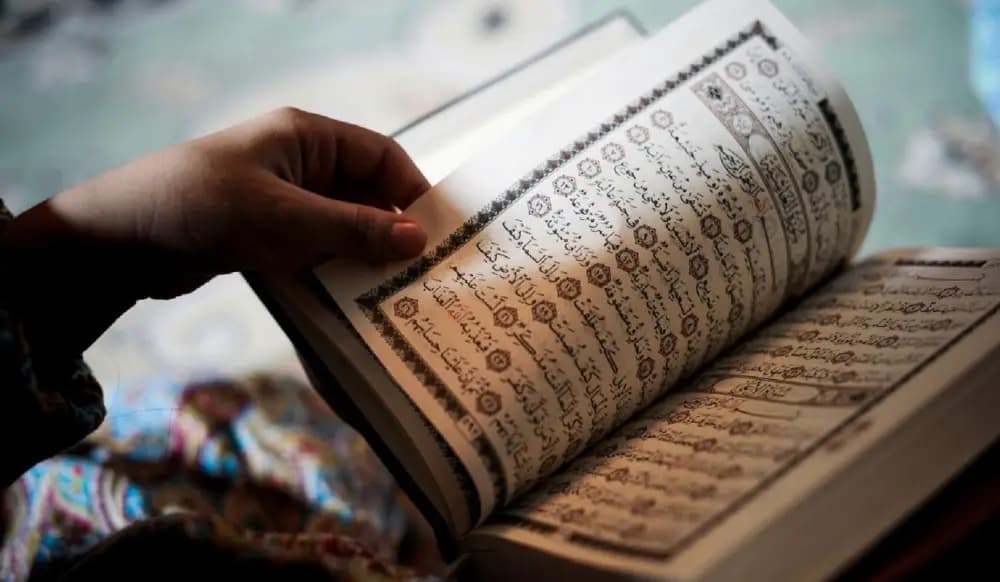
The Quran holds a unique place in Islam. Muslims believe it is the revealed Word of Allah, sent to Prophet Muhammad ﷺ as guidance for humanity. Its verses teach people how to worship their Creator, distinguish right from wrong, develop good character, and prepare for the Hereafter.
Yet the virtues of the Quran extend beyond its recitation. It is a source of guidance, mercy, spiritual healing, wisdom, and encouragement for those who seek to understand and follow its message. The Quran itself describes these qualities throughout its chapters.
Understanding the Quranic virtues of the Quran helps believers develop a deeper relationship with the Book of Allah. It also allows readers of every background to appreciate its central message and enduring significance.
1. The Quran Is Divine Guidance for Humanity
One of the greatest virtues of the Quran is that it guides people towards the straight path. It provides principles for worship, morality, family relationships, justice, and personal responsibility.
Allah says: Indeed, this Quran guides to that which is most suitable and gives good tidings to the believers who do righteous deeds that they will have a great reward. Surah Al-Isra (The Night Journey)
This verse establishes the Quran as a guide towards what is most upright. Its teachings direct people towards faith in Allah, sincere worship, justice, honesty, and good conduct. They also warn against wrongdoing and explain the consequences of human choices.
According to classical tafsir, including the explanations of Ibn Kathir, the verse praises the Quran for directing people towards the best and clearest way. Its guidance encompasses both belief and righteous action.
For Muslims, this means the Quran is not simply a book to be recited during prayer. It is a source of direction for everyday decisions. Its teachings help believers evaluate their intentions, treat others fairly, fulfil their responsibilities, and remain conscious of Allah.
2. The Quran Is a Mercy from Allah
Another important virtue of the Quran is its role as a manifestation of divine mercy. Through revelation, Allah provides people with guidance about their purpose, their responsibilities, and the path to salvation.
Allah says: O mankind, there has come to you instruction from your Lord and healing for what is in the breasts and guidance and mercy for the believers. Surah Yunus (Jonah)
This verse describes four connected qualities: instruction, healing, guidance, and mercy.
In his tafsir of this verse, Ibn Kathir explains that the Quran admonishes people against wrongdoing and provides healing for spiritual illnesses, including doubts and misconceptions. Its guidance and mercy benefit those who believe in its message and accept its teachings.
The Quran also teaches people not to despair of Allah’s mercy, encourages repentance, and reminds believers that turning back to Allah remains possible during their lives.
Its mercy is reflected in the principles it teaches, including compassion, forgiveness, patience, generosity, and care for those in need. By learning and applying these principles, believers can strengthen their relationship with Allah and improve their relationships with others.
3. The Quran Is a Healing for the Heart
The Quran describes itself as a healing for what lies within the human heart. This is one of its most profound virtues because people experience doubts, spiritual struggles, harmful desires, and uncertainty throughout their lives.
Allah says: And We send down of the Quran that which is healing and mercy for the believers. Surah Al-Isra (The Night Journey)
The verse establishes the Quran’s healing and merciful role. Classical Islamic commentary explains this healing in terms of the spiritual and inward conditions of people, including doubts, ignorance, and corrupt beliefs.
By teaching belief in Allah, trust in His wisdom, accountability, patience, and hope, the Quran helps believers confront spiritual confusion and develop a more grounded perspective on life.
Its accounts of the prophets also provide examples of perseverance through hardship. The story of Prophet Yusuf, for instance, teaches patience, forgiveness, and reliance upon Allah despite injustice and separation from loved ones.
Reading the Quran with reflection can therefore nurture spiritual resilience and strengthen faith. However, this spiritual healing should not be confused with a guarantee that recitation alone will cure every physical or psychological illness. Seeking appropriate medical care is compatible with Islamic faith.
4. The Quran Is a Source of Light
Light is a powerful image in the Quran. It represents guidance that enables people to distinguish truth from falsehood and to recognise the path that leads towards Allah.
Allah says: O mankind, there has come to you a convincing proof from your Lord, and We have sent down to you a clear light. Surah An-Nisā (The Women)
The Quran illuminates matters that people cannot fully resolve through personal desires or assumptions alone. It teaches the foundations of faith, explains moral responsibilities, and warns against injustice and corruption.
This light also transforms the way believers understand their lives. Instead of judging every situation solely through immediate gain or loss, they are encouraged to consider their duties before Allah and the consequences of their actions in the Hereafter.
For this reason, engaging with the Quran requires more than reading its words. Believers should also seek to understand their meanings and apply its guidance with sincerity.
5. The Quran Is a Reminder and an Admonition
Human beings can become distracted by worldly concerns and forget their spiritual responsibilities. The Quran repeatedly reminds people of their purpose, their relationship with their Creator, and their ultimate return to Him.
Allah says: And We have certainly made the Quran easy for remembrance, so is there any who will remember? Surah Al-Qamar (The Moon)
This statement appears repeatedly in Surah Al-Qamar (The Moon), emphasising the accessibility of the Quran as a reminder and the importance of responding to its message.
The Quran reminds believers to practise gratitude during times of ease, patience during hardship, and repentance after wrongdoing. It also calls people to reflect on creation, learn from earlier nations, and recognise the temporary nature of worldly life.
Its reminders are not intended merely to inspire a passing emotion. Rather, they encourage lasting changes in belief and conduct.
A person who regularly reflects on Quranic teachings may become more mindful of their speech, more careful with their responsibilities, and more willing to correct personal mistakes.
6. The Quran Strengthens Faith and Certainty
Faith can deepen through learning, reflection, worship, and contemplation of Allah’s signs. The Quran supports this process by explaining the foundations of belief and directing attention towards the signs of Allah in creation and human experience.
Allah says: The believers are only those who, when Allah is mentioned, their hearts become fearful, and when His verses are recited to them, it increases them in faith. Surah Al-‘Anfāl (The Spoils of War)
This verse connects sincere faith with the response of the heart to Allah’s remembrance and revelation.
The Quran teaches believers about Allah’s names and attributes, His wisdom and mercy, the purpose of creation, and the reality of the Resurrection. These teachings strengthen awareness of Allah and encourage sincere worship.
It also presents arguments and signs that invite people to think carefully about existence, life, and accountability.
However, benefiting from these teachings requires an open heart and a willingness to reflect. Simply hearing the verses does not mean that every listener will respond in the same way.
For believers, studying the Quran alongside reliable explanations of its meanings helps strengthen understanding and protects against misinterpretation.
7. The Quran Encourages Reflection and Wisdom
The Quran frequently calls people to think, reflect, and consider its meanings. Its purpose is not limited to recitation; it also invites thoughtful engagement with revelation.
Allah says: Then do they not reflect upon the Quran, or are there locks upon their hearts? Surah Muĥammad
This verse highlights the importance of reflection and warns against approaching revelation with a closed heart.
Tadabbur, or reflecting deeply on the Quran, involves considering the meaning of its verses, the lessons they teach, and their implications for one’s life. It does not mean interpreting every verse independently without knowledge or disregarding established Islamic scholarship.
For example, when reading Quranic verses about justice, a believer can consider whether they treat family members, colleagues, and strangers fairly. When reading about patience, they can reflect on how they respond to frustration or adversity.
Reliable tafsir helps readers understand the context, language, and intended meanings of verses. It also provides the scholarly foundations needed to distinguish sound interpretations from unsupported personal assumptions.
Through this combination of learning and reflection, the Quran becomes a source of wisdom that influences thought, decisions, and behaviour.
8. The Quran Brings Great Reward Through Its Recitation
Reciting the Quran is an act of worship in Islam. Muslims are encouraged to recite it regularly, approach it with respect, and seek to improve their pronunciation and understanding.
The virtue of Quranic recitation is also established in authentic hadith.
The Prophet Muhammad ﷺ said: The best of you are those who learn the Quran and teach it. Sahih al-Bukhari, 5027.
This hadith highlights the value of learning the Quran and sharing its knowledge with others.
Recitation allows believers to remember Allah, engage with revelation, and maintain a regular connection with their faith. Learning proper recitation also helps preserve the accurate pronunciation of the Quranic text.
Nevertheless, the goal should not be limited to completing a certain number of pages or chapters. Consistency, sincerity, understanding, and practical application are also important.
A person who struggles with recitation should not abandon it out of embarrassment. Learning gradually, seeking guidance from a qualified teacher, and practising regularly are constructive ways to improve.
The Quran’s virtues encourage both beginners and experienced readers to continue learning throughout their lives.
9. The Quran Is a Source of Glad Tidings and Hope
The Quran balances warnings with promises of mercy and reward. It describes the consequences of wrongdoing while giving believers hope through faith, repentance, and righteous deeds.
In Surah Al-Isra (The Night Journey), Allah explains that the Quran gives glad tidings to believers who do righteous deeds, promising them a great reward.
This balance is essential to the Quran’s message. Warnings remind people of accountability, while glad tidings encourage perseverance and hope in Allah’s mercy.
The Quran also teaches that sincere repentance matters. A person who recognises a mistake is encouraged to turn back to Allah, seek forgiveness, and work towards correcting their behaviour.
Its promises of reward encourage believers to remain steadfast in worship and good deeds even when the results are not immediately visible.
The Quran therefore nurtures a balanced spiritual outlook: believers should neither become complacent about wrongdoing nor despair of Allah’s mercy.
10. The Quran Guides People Towards Righteous Character
A further virtue of the Quran is its emphasis on moral conduct. It teaches that faith should influence how people behave, fulfil their obligations, and interact with others.
The Quran commands justice, kindness, honesty, patience, and generosity. It condemns oppression, deception, arrogance, and the unjust consumption of others’ wealth.
Allah says: Indeed, Allah orders justice and good conduct and giving to relatives and forbids immorality and bad conduct and oppression. Surah An-Naĥl (The Bee)
This verse provides a broad ethical principle for personal and social life.
The Quran’s guidance on character applies to relationships within families, responsibilities towards neighbours, business transactions, and the treatment of vulnerable people. It encourages believers to uphold justice even when doing so is difficult and to avoid allowing personal hostility to lead to wrongdoing.
Learning these teachings should lead to self-examination. Readers can ask themselves whether their conduct reflects the values they encounter in the Quran.
In this way, the virtues of the Quran become visible through actions, not merely through words or outward expressions of devotion.
How Can You Benefit More from the Quran?
Understanding the virtues of the Quran is the beginning of a deeper relationship with revelation. To benefit from its guidance, consider incorporating these practical habits into your daily life:
- Read consistently. Set aside a manageable amount of time each day, even if you begin with only a few verses.
- Understand the meaning. Read a reliable translation in a language you understand and consult recognised tafsir when you need clarification.
- Reflect on the verses. Consider what each passage teaches about faith, character, worship, and personal responsibility.
- Apply what you learn. Choose one teaching to practise, such as patience, honesty, gratitude, or kindness.
- Learn correct recitation. Seek guidance from a qualified teacher and improve your pronunciation gradually.
- Share beneficial knowledge responsibly. Teach what you have learned with accuracy, humility, and reference to reliable Islamic sources.
These habits can help transform Quranic study from an occasional activity into a meaningful part of daily life.
Frequently Asked Questions About the Virtues of the Quran
What are the main virtues of the Quran?
The Quran describes itself as guidance, mercy, healing, light, and a reminder. It strengthens faith, encourages reflection, promises glad tidings to believers who do righteous deeds, and teaches principles of justice and good character.
What does the Quran say about its own importance?
In Surah Al-Isra (The Night Journey), Allah states that the Quran guides towards what is most upright. In Surah Yunus (Jonah), He describes it as an instruction, healing, guidance, and mercy for believers. These verses establish its central role in Islamic faith and practice.
Is reading the Quran enough to benefit from it?
Recitation is an important act of worship, but Muslims are also encouraged to understand, reflect on, and follow the Quran’s teachings. Recitation, learning, and righteous action complement one another.
Why is understanding Quranic tafsir important?
Tafsir explains the meanings and context of Quranic verses and helps readers understand them in light of the Arabic language, the Quran’s broader message, and established Islamic scholarship. It reduces the risk of misunderstanding verses through isolated or unsupported interpretations.
How can beginners start studying the Quran?
Beginners can start with a regular reading routine, a trustworthy translation, and accessible explanations from recognised scholars. Learning basic Arabic recitation and studying gradually can make the process more manageable.
Conclusion: Build a Lasting Relationship with the Quran
The Quranic virtues of the Quran reveal its central place in Islam. It is guidance for those seeking the straight path, mercy for believers, healing for spiritual doubts, light for understanding, and a reminder of humanity’s purpose and final return to Allah.
Its benefits are not limited to recitation alone. The Quran calls readers to understand its message, reflect on its verses, strengthen their faith, and embody its teachings through righteous conduct.
Whether you are beginning your Quranic journey or deepening years of study, approach the Book of Allah with sincerity, patience, and a willingness to learn. Read its verses, consult reliable tafsir, and put its guidance into practice.
Begin exploring the Quran today and discover the wisdom, mercy, and guidance contained within its verses.