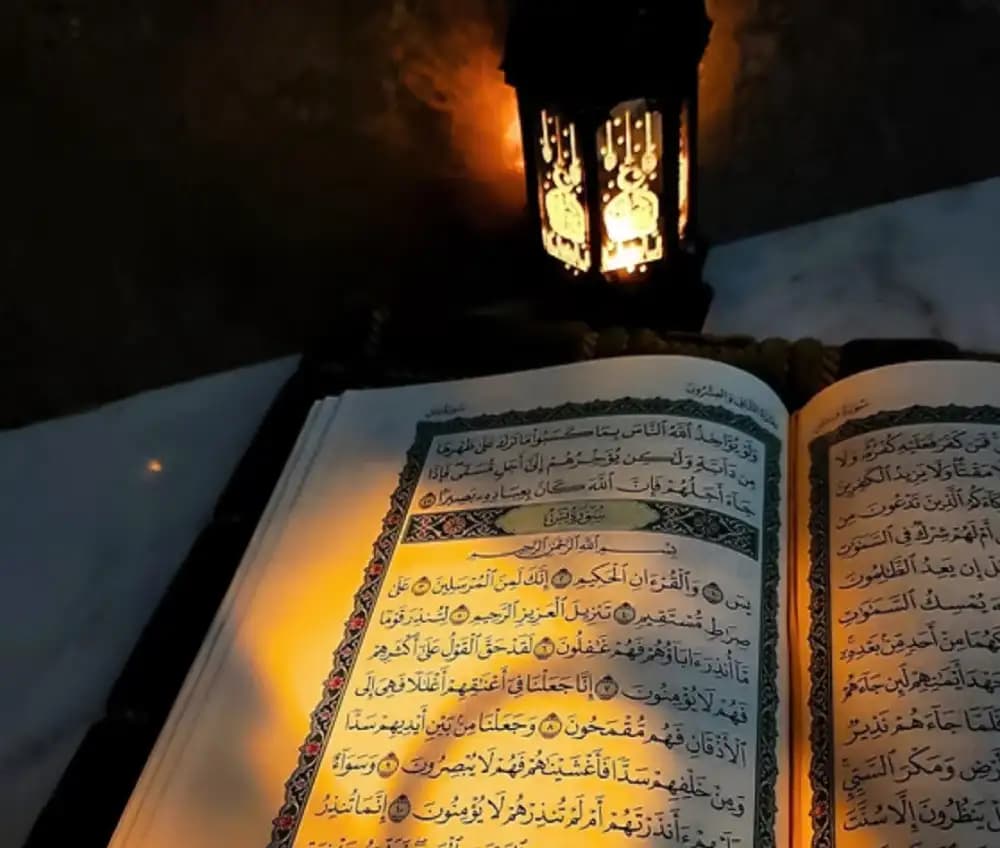
Reflecting on the Quran: Timeless Teachings for Everyday Life
Explore the timeless wisdom of the Holy Quran through reflections on Surah Al-Fatihah. Discover how its teachings on gratitude, Allah’s mercy, accountability, and guidance can strengthen your faith and bring greater purpose to everyday life.

The Holy Quran is more than a book to recite. It is a source of guidance that invites us to reflect on our choices, strengthen our faith, and understand our purpose in life. Its verses address the challenges of the human heart, from fear and sadness to gratitude, patience, and hope.
Through sincere reflection (tadabbur), we can discover how Quranic teachings apply to our relationships, decisions, and daily responsibilities. Even a single chapter can offer profound lessons that transform the way we see the world.
One beautiful example is Surah Al-Fatihah, the opening chapter of the Quran, which teaches us about worship, gratitude, mercy, and the importance of seeking guidance from Allah.
What Does It Mean to Reflect on the Quran?
Reflecting on the Quran means looking beyond recitation to consider the meanings of its verses and the lessons they contain. It involves reading with attention, thinking about what Allah teaches us, and asking how those teachings should influence our actions.
Allah says: “Do they not then reflect on the Quran?” Surah An-Nisā (The Women)
This verse encourages believers to approach the Quran thoughtfully rather than reading its words without considering their meaning.
Reflection does not require advanced knowledge to begin. We can start by reading a short passage, understanding its meaning through a reliable translation, and identifying one lesson to apply in everyday life. For a deeper understanding, consulting authentic explanations and Quran tafsir can help clarify the context and meaning of the verses.
Lessons from Surah Al-Fatihah
Surah Al-Fatihah, consisting of seven verses, is recited by Muslims in every unit of prayer. Its concise words express essential principles of Islamic faith and offer valuable reminders for daily living.
1. Begin with Gratitude
Surah Al-Fatihah opens with: “All praise is for Allah—Lord of all worlds.” Surah Al-Fātiĥah (The Opener) 2
This verse reminds us that all praise belongs to Allah, the Creator and Sustainer of everything. It encourages us to recognize His blessings, including those we sometimes overlook.
In daily life, gratitude can change our perspective. Instead of focusing only on difficulties, we can appreciate our health, family, opportunities, and moments of peace. Gratitude does not mean ignoring hardship; it means remembering Allah’s blessings even when life is challenging.
Daily reflection: What blessings have I received today, and how can I show gratitude for them?
2. Remember Allah’s Mercy
The following verse describes Allah as: “The Most Compassionate, Most Merciful.” Surah Al-Fātiĥah (The Opener) 3
These divine attributes remind us that Allah’s mercy is central to our relationship with Him. When we make mistakes, we should not allow guilt to turn into despair. Instead, we should acknowledge our shortcomings, seek forgiveness, and sincerely strive to improve.
Remembering Allah’s mercy also teaches us to show compassion toward others. In our families, workplaces, and communities, kindness and forgiveness can help heal disagreements and strengthen relationships.
Daily reflection: How can I seek Allah’s forgiveness while showing greater mercy to the people around me?
3. Live with Accountability
Surah Al-Fatihah declares: “Master of the Day of Judgment.” Surah Al-Fātiĥah (The Opener) 4
This verse reminds believers that worldly life is not the final destination. Our actions matter, and we are accountable to Allah for how we use our time, treat others, and fulfill our responsibilities.
This awareness can guide everyday decisions. It encourages honesty when dishonesty seems easier, fairness when personal interests are involved, and patience when anger threatens to control our behavior.
Rather than creating fear alone, belief in the Day of Judgment gives life direction. It reminds us to choose what is right, even when nobody else is watching.
Daily reflection: If I reviewed my actions today, which choice would I be most grateful to have made?
4. Seek Guidance in Every Stage of Life
One of the most powerful supplications in Surah Al-Fātiĥah (The Opener) 6 is: “Guide us along the Straight Path.”
These words teach us that guidance is something we continually need. No matter how much we know, we still face decisions that require wisdom, sincerity, and trust in Allah.
Seeking guidance involves more than making supplications. It also means learning about Islam, consulting trustworthy people, reflecting carefully before acting, and choosing what aligns with Allah’s teachings.
When facing uncertainty, we can turn to the Quran for direction and ask Allah to help us remain firm upon the truth.
Daily reflection: Which area of my life needs greater guidance, and what positive step can I take today?
How to Make Quran Reflection Part of Daily Life
You do not need to read an entire chapter at once to benefit from Quranic reflection. A consistent and thoughtful approach can make the practice more meaningful.
- Read with understanding: Read a few verses and learn their meaning rather than rushing through the words.
- Explore authentic tafsir: Consult reliable explanations to understand the context and avoid misinterpreting a verse.
- Ask meaningful questions: Consider what a passage teaches about Allah, human behavior, and the purpose of life.
- Apply one lesson: Turn reflection into action through greater patience, honesty, generosity, or remembrance of Allah.
- Remain consistent: Set aside a few minutes each day, even when your schedule is busy.
The goal is not simply to collect information but to allow the Quran’s guidance to shape our character and conduct.
Conclusion: Let the Quran Guide Your Everyday Choices
Reflecting on the Quran helps us reconnect with our purpose and approach life’s challenges with greater faith and awareness. Surah Al-Fatihah reminds us to express gratitude, remember Allah’s mercy, remain conscious of our accountability, and continually seek guidance.
These lessons are not limited to moments of prayer. They can influence how we speak to our families, respond to difficulties, conduct our work, and treat people with fairness and compassion.
Begin with a few verses, reflect on their meanings, and choose one lesson to put into practice. Over time, this habit can deepen your relationship with the Quran and help you approach everyday life with greater sincerity, patience, and trust in Allah.